Making Friends After Moving to a New City
September 18, 20266 min read

Making friends after moving to a new city can feel strangely harder than making the move itself. You may have managed boxes, paperwork, and a new commute, yet still have nobody nearby to ask for a casual walk. That loneliness does not mean the move was a mistake. Friendship often needs repeated contact before it feels natural. You do not have to become outgoing overnight or fill every evening with events. Start by creating a few places where people can see you regularly, then practice turning small moments of familiarity into simple invitations.
Making friends after moving to a new city starts small
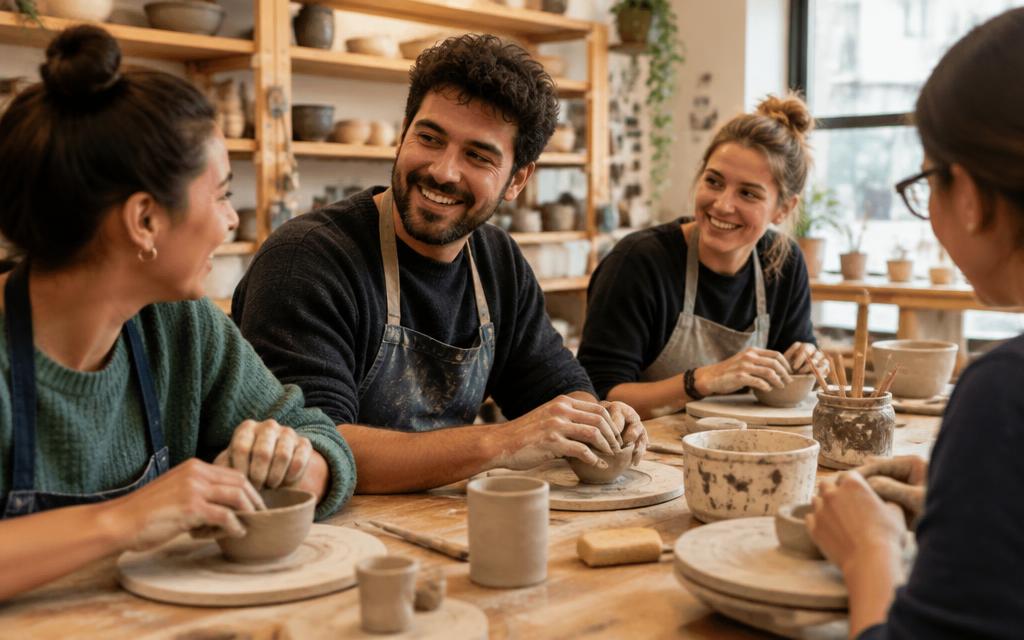
Choose one or two activities you would enjoy even if you did not meet your future best friend there. A beginner pottery class, volunteer shift, walking group, or community choir can give you something to do while conversation develops. Shared activity takes some pressure off introductions because there is already a topic in front of you. You can ask about the route, the clay, or the song instead of inventing a fascinating opening line. Look for gatherings that happen regularly, since a one-off event offers fewer chances to build on a first conversation.
Match your choices to your actual energy, budget, and schedule. If you work evenings, a weekly dinner club will not become easier through sheer determination. A weekend park cleanup may fit better. If money is tight, check libraries, community centers, free local walks, and volunteer groups. Online neighborhood spaces can help you discover options, though the first group you try may not suit you. That is useful information, not a personal failure. You are looking for a place where showing up feels sustainable enough to repeat, rather than a perfect social scene on your first attempt.
Making friends after moving to a new city takes repetition
Once you find a reasonable fit, give it several visits before deciding nobody likes you. Many people are friendly but slow to include someone new. They may assume you are visiting, feel shy themselves, or be busy keeping the activity running. Greet the same people, learn a couple of names, and ask one follow-up question each time. “How did your exam go?” can do more for a growing connection than a polished introduction. Repeated attention tells someone you remember them, which makes the next conversation feel less like starting over.
Do not measure progress only by whether you have a close friend yet. Recognizing the person at the library desk, having someone wave at class, or chatting with a neighbor can soften the edges of a new place. These small connections are valuable in their own right. They can also make it easier to take the next social step because the city starts feeling less anonymous. If the whole process feels unfamiliar, making friends as an adult can help you set patient expectations without treating friendship like another performance target.
Making friends after moving to a new city needs invitations
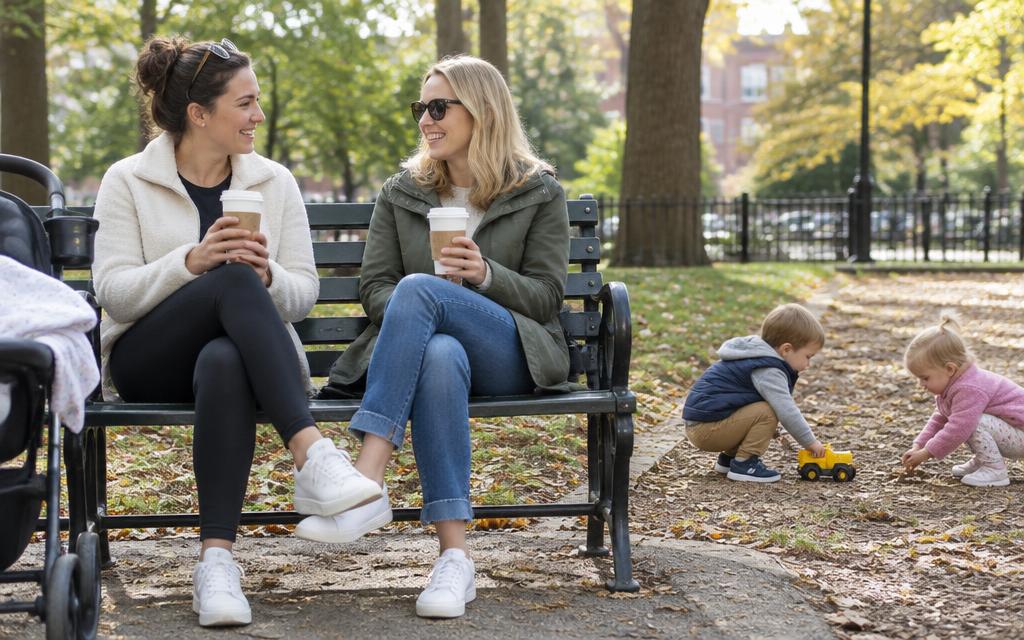
At some point, a pleasant conversation needs a next step. Keep the invitation small and specific: “I'm getting coffee after class on Saturday. Want to join me for half an hour?” This is easier to answer than “We should hang out sometime.” Mentioning a short time also makes the plan feel manageable. You do not need to host a dinner party or reveal your life story. A walk around the block or a sandwich after volunteering can be enough to learn whether you enjoy each other's company outside the original setting.
If someone cannot come, pay attention to their overall response rather than one refusal. “Not Saturday, but what about Tuesday?” shows interest. A warm person who declines once may simply be busy. After a couple of unanswered or declined invitations without an alternative, step back and invest elsewhere. You do not need to chase or resent them. People have different amounts of room in their lives, and timing matters. An invitation is an opening, not a request for someone to prove your worth. Keep offering openings to more than one person.
Making friends after moving to a new city safely
When you meet someone through an app or online group, begin in a public place and arrange your own way home. Tell someone where you are going if that helps you feel comfortable. You can be friendly without sharing your home address, daily routine, or sensitive personal details right away. Trust grows through experience. A person who respects a small limit is giving you useful information; so is someone who pressures you to ignore it. Basic caution does not make you cold. It gives you room to get to know people at a comfortable pace.
Be open to friends who do not match the picture you had in mind. A neighbor twenty years older might share your love of gardening. A parent from another country might become your favorite walking companion. At the same time, shared identity and experience can matter deeply, especially when you are adjusting to a place where you feel visibly different. You are allowed to seek both familiarity and variety. Notice who treats you with curiosity and respect, not just who has the most similar job title or the same weekend habits.
Making friends after moving to a new city without guilt
New connections do not replace the people you left behind. Keep a few simple rituals with old friends: a monthly call, a photo from your walk, or a voice message while cooking. Let them know when settling in is harder than expected. You do not have to make every update sound exciting just because the move was your choice. For practical ways to stay close across distance, keeping old friendships alive can help. Having familiar support may make it easier to approach new people without expecting them to meet every emotional need immediately.
Friends back home may also be adjusting to your absence. A message that seems slow or short might reflect sadness, a new routine, or ordinary busyness rather than a fading bond. Talk about what contact feels realistic now. If someone close to you is struggling with the change, when your best friend moves away offers another view of the same experience. You can miss your old life and enjoy parts of the new one. Those feelings do not cancel each other out, and neither makes you disloyal to the people you love.
A useful weekly plan is one repeat activity, one small invitation, and one bit of follow-up. That might mean attending a language group on Wednesday, asking a colleague to lunch, and messaging someone about the book they recommended. Keep the plan light enough that it does not take over your life. After a few weeks, notice which spaces leave you comfortable and which leave you drained. Adjust the plan rather than blaming yourself. Social effort works better when it is supported by rest, familiar routines, and time to enjoy the city on your own.
As friendships begin, resist rushing closeness because you are lonely. A fun first conversation is a promising start, not proof that someone should become your emergency contact. Let shared experiences reveal reliability over time. Notice whether the person follows through, listens, and respects your limits. The everyday signs of a true friend matter more than instant chemistry. Building a social life in a new place may be slower than you hoped, but slow does not mean stuck. Each familiar face, accepted invitation, and honest conversation gives your new home a little more human shape.