Reconnecting With a Parent You've Grown Distant From
October 7, 20264 min read

Sometimes distance between a parent and an adult child happens slowly. Calls become shorter. Visits become rare. Conversations stay on the surface. Other times, distance comes from a specific hurt, an argument, a betrayal or years of feeling misunderstood. Either way, many people carry a quiet ache about a parent they no longer feel close to.
If you want to reconnect, it is possible. It may not look like a movie reunion. It may be slow and imperfect. But even small steps can bring meaningful change.
Get clear on what you want
Before reaching out, take some time to think about what you hope for. Do you want a closer, everyday relationship? Do you want to talk about a specific hurt? Do you simply want to stop feeling cold and awkward around each other?
Being clear about your hopes helps you choose your first steps. It also helps you notice progress, even if the relationship does not change all at once.
Start small
You do not need to begin with a big emotional conversation. Often, the easiest first step is a simple, friendly contact. A text with a photo. A short call to ask how they are. Sharing a memory. 'I saw this recipe and remembered how you used to make it.'
Small, light contacts can rebuild comfort. Once the relationship feels a bit warmer, deeper conversations become easier.
See them as a person
As children, we see our parents mostly through their role. As adults, it can help to see them as full people with their own pasts, struggles and limits. What was their childhood like? What pressures did they face when raising you? What do they regret?
This does not excuse harm they may have caused. But understanding them more fully can soften anger and open space for compassion.
Talk about the past carefully
If there is a specific hurt between you, you might eventually want to talk about it. Choose a calm time. Use 'I' statements. 'When I was younger, I often felt alone. I'd like to understand more about what was happening back then.'
Be prepared for different reactions. Some parents will listen and apologize. Others may get defensive, deny things or remember events very differently. Try not to expect a perfect response. Sometimes simply being heard, even partly, is a step forward.
Set boundaries where needed
Reconnecting does not mean accepting everything. If your parent tends to criticize, control or hurt you, it is okay to set limits. You might keep visits short, avoid certain topics or step away when conversations become harmful.
Boundaries can actually make reconnection possible, because they help you feel safe enough to stay in contact.
Create new memories
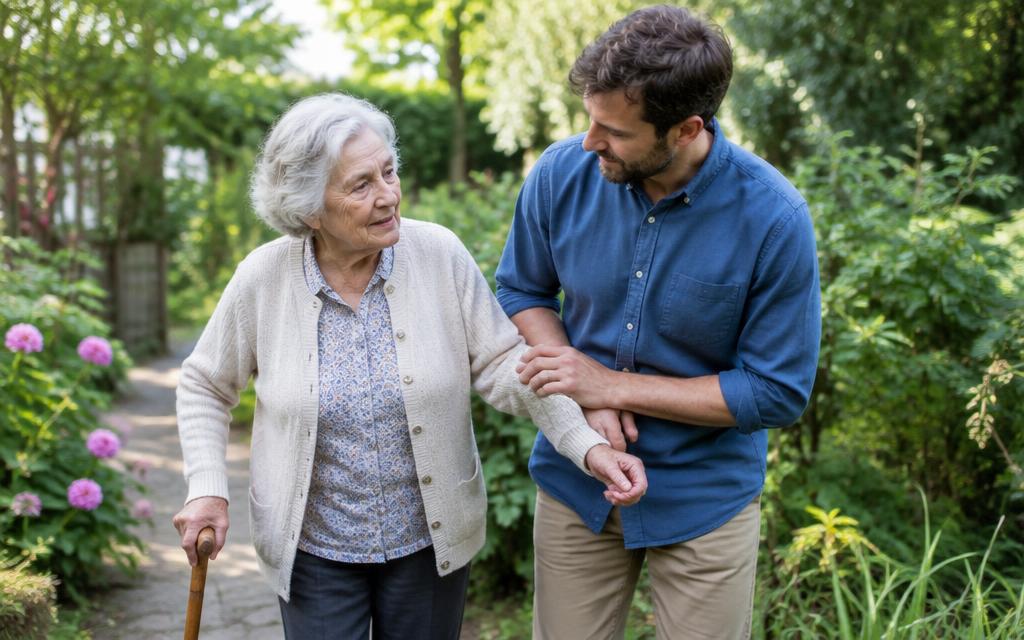
Relationships are not only healed by talking about the past. They also grow through new shared experiences. Invite your parent for a walk, a meal or a simple activity you both enjoy. Ask them to teach you something, like a family recipe or a skill they are proud of.
These new memories can slowly balance out the older, painful ones.
Accept what you cannot change
Some parents are not able or willing to change. They may stay distant, critical or unavailable no matter how much effort you put in. This is painful, and it is worth grieving.
In these cases, reconnection might mean finding peace with a limited relationship. You can love them from a distance, keep contact light and focus your emotional energy on people who can meet you more fully.
Do not wait too long
Parents grow older, and time is not unlimited. Many people say their biggest regret is not reaching out sooner. If you feel a pull to reconnect, consider taking one small step this week. Send a message. Make a call. Share a memory.
You cannot control how your parent will respond. But you can control whether you try. And sometimes, a single warm gesture is enough to begin melting years of distance.
A final thought
The ties around us are never perfect. Families argue, neighbors annoy us and coworkers test our patience. But these imperfect connections are also what hold us up when life gets hard. They deserve a little patience, a little effort and a lot of grace.
Pick one person in your wider circle and reach out this week. A call, a visit, a simple thank you. Small gestures like these are how communities are made, one conversation at a time, long before anyone notices that something warm has grown.
No family or community is ever finished. People grow older, children grow up, neighbors move and new faces arrive. Each change brings a fresh chance to reach out, mend something old or start something new. The door to connection rarely closes completely, even after a long silence or a hard season.
Keep reading
If this story helped, you may also like our deeper guides: Raising Kids as a Team: Share the Load Fairly and Caring for Aging Parents: A Practical Family Guide.