Romantic Love vs. Companionate Love: Why Both Matter
October 14, 20264 min read
In the beginning, love feels like a storm. You cannot sleep. You check your phone every few minutes. Every song on the radio seems to be about the two of you. This is what most movies call love, and it is real. Psychologists often call it passionate or romantic love.
But there is another kind of love that does not get nearly as much attention. It is slower, steadier and less dramatic. It looks like two people reading in the same room without needing to talk. It looks like knowing exactly how your partner takes their tea. This is often called companionate love, and it is what holds most long relationships together.
Understanding the difference between these two kinds of love can help a lot of couples relax. Many people panic when the butterflies fade. They think something is wrong. Often, nothing is wrong at all. The love is simply changing shape.
What romantic love feels like
Romantic love is full of intensity. There is longing, excitement and a strong desire to be close. You think about the other person constantly. Your brain is literally flooded with chemicals that make you feel high, a little obsessed and sometimes anxious.
This stage is beautiful, but it is not designed to last forever. Most researchers say the most intense part fades somewhere between a few months and a couple of years. That is not a flaw. Nobody could live their whole life in that state. You would never get anything else done.
What companionate love feels like
Companionate love is deep friendship mixed with commitment and care. It feels safe. It feels like home. It is the love that shows up when your partner is sick and you sit by their bed. It is the love that remembers to buy their favorite snack without being asked.
This kind of love grows from shared history. Every challenge you get through together, every inside joke, every quiet morning adds another layer. It does not feel as electric as early romance, but it can feel much more solid.
The mistake many couples make
The biggest mistake is assuming that when romantic love fades, love itself is gone. People start to wonder if they married the wrong person. They might even look for that rush somewhere else, chasing the feeling of new love again and again.
But if you keep chasing only the early high, you never get to experience the richness of long-term love. It is a bit like leaving every book after the first exciting chapter. You never find out how the story deepens.
Keeping a little spark in the steady fire
The best long relationships usually have both. A strong base of friendship and trust, with moments of passion and excitement mixed in. That does not happen by accident. Couples who keep romance alive tend to do new things together, flirt, make time for touch and keep showing interest in each other.
Think of companionate love as the fireplace and romantic love as the occasional burst of flame when you add a new log. The fireplace keeps you warm every night. The bursts of flame remind you why you lit it in the first place.
Building companionate love on purpose
If you are early in a relationship, you can start building companionate love now. Talk about your values. Learn how your partner handles stress. Work through small conflicts kindly. Be reliable. Those things may not feel very romantic, but they create the trust that will matter in ten years.
If you are in a long relationship and things feel flat, try adding small sparks. A surprise date. A love note. A weekend away. Learning something new together. These moments do not replace the steady love you already have. They decorate it.
Different people, different needs
It is worth noting that people need these two kinds of love in different amounts. Some people thrive on passion and need regular excitement to feel connected. Others feel most loved when life is calm and predictable. Neither is better.
If you and your partner have different needs, talk about it. The passionate one might plan more adventures. The steady one might share how much they value the quiet moments. Understanding each other's love style makes it easier to give each other what you both need.
A love that grows
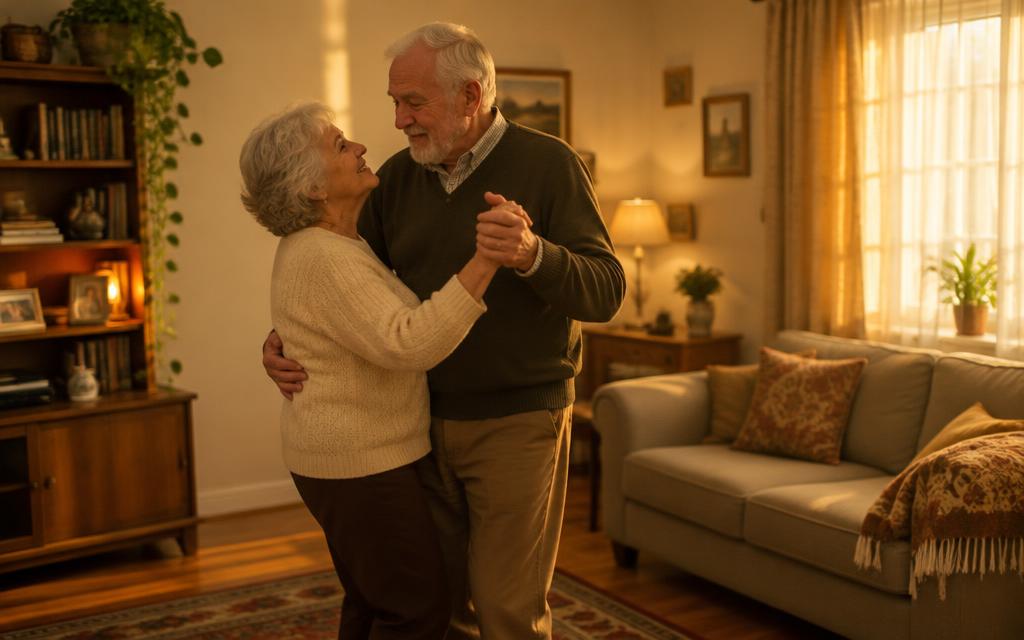
When I talk to older couples who have been together for decades, they almost always describe their love as deeper now than when they were young. Not more exciting, but deeper. They have seen each other at their best and their worst. They have built something together that cannot be built quickly.
That is the gift of companionate love. It is not the opening fireworks. It is the warm light that stays on long after the show is over. If the butterflies in your relationship have settled down, do not panic. Look closely. Something quieter and stronger may be growing in their place.
Keep reading
If this story helped, you may also like our deeper guides: Signs You Are Falling in Love: What to Notice and Infatuation vs Love: How to Tell the Difference.