Siblings as Adults: Moving From Rivalry to Real Friendship
September 21, 20264 min read

Think about it for a second. Your siblings are likely to be the longest relationships of your life. Parents usually leave us before we are old. Partners often arrive in our twenties or thirties. Friends come and go. But siblings can be with us from childhood to old age.
Yet many adults have complicated feelings about their brothers and sisters. Old rivalries linger. Childhood roles stick. Some siblings are best friends. Others barely speak. Most are somewhere in between, loving each other but not always sure how to connect.
Old roles die hard
In childhood, families often assign roles without meaning to. One sibling is the responsible one. Another is the funny one, the rebel or the baby. These roles can follow us into adulthood, even when they no longer fit.
You might be a successful adult at work, but the moment you get home for a holiday, you are the little sister who is never taken seriously. Or you might still feel like you have to fix everyone's problems because you were always the oldest.
Noticing these roles is the first step to changing them. Ask yourself, how do I act around my siblings? Is that really who I am now? Gently stepping out of an old role can feel strange, but it allows a more honest relationship to grow.
Comparison and competition
Sibling rivalry often comes from competing for parents' attention and approval. As adults, the competition can shift to careers, money, homes, partners or children. Who is more successful? Whose life looks better?
This kind of comparison rarely makes anyone happy. It also keeps siblings at a distance. If you notice yourself comparing, try shifting to curiosity. Instead of measuring their life against yours, ask about it. What is their work really like? What are they struggling with? People's lives often look different from the inside.
Healing old hurts
Some sibling relationships carry real wounds. Maybe one sibling was bullied by another. Maybe a parent favored one child. Maybe there was a big falling out over money or family decisions. These hurts can sit quietly for years.
If you want to heal a sibling relationship, it often starts with a simple, honest conversation. You might say, 'I've been thinking about us, and I miss being close. Can we talk about what happened back then?' Approach it with openness rather than blame. Your sibling might remember things very differently, and that is okay.
Sometimes, an apology from one or both sides can change everything. Even a small acknowledgment, 'I know I was pretty mean to you when we were kids,' can soften years of distance.
Caring for aging parents
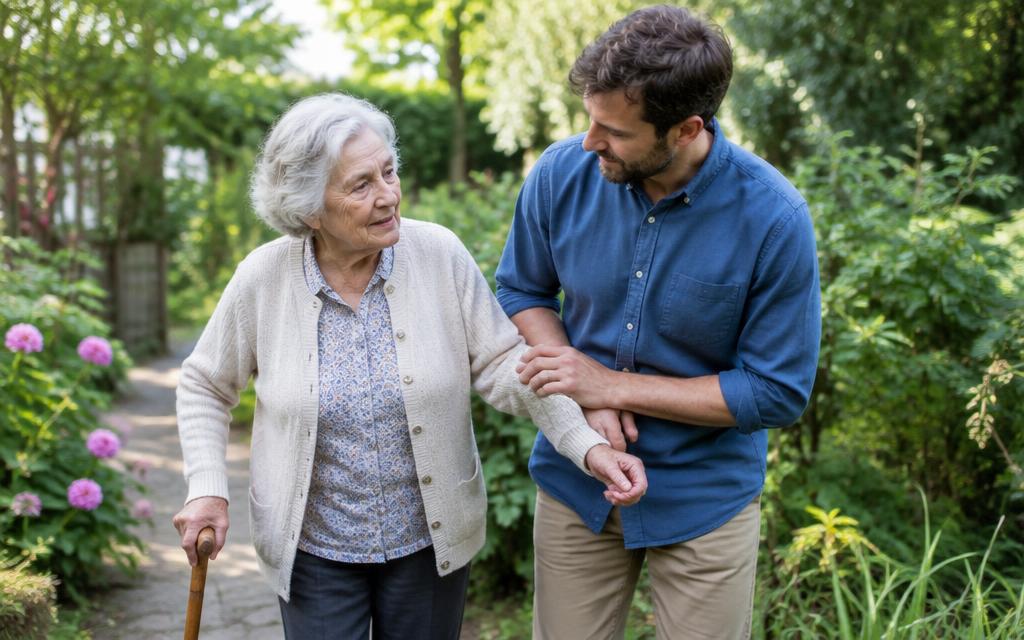
One of the biggest tests of adult sibling relationships comes when parents get older and need care. Questions about who will help, who will pay and who will make decisions can bring up old tensions and create new ones.
It helps to talk about these things before a crisis. Have a family meeting. Talk about what each person can realistically offer. One sibling may live nearby and be able to visit often. Another may help more with money or organizing. Fair does not always mean equal. It means everyone contributes in a way that fits their life.
Making time for each other
As adults, siblings often see each other mainly at family events, where there is little chance for real connection. Holidays are busy, loud and full of other relationships. You might leave feeling like you never really talked.
Try making time just for the two of you. Go for coffee. Take a short trip together. Call each other outside of family emergencies. Start a sibling group chat with silly memes and old photos. These little efforts can bring back a sense of being on the same team.
Sharing memories
One of the special gifts of siblings is shared memory. They are the only other people who know exactly what your childhood home smelled like, what your parents' arguments sounded like and which family jokes still make you cry with laughter.
Sharing these memories can be a beautiful way to connect. Look at old photos together. Tell stories. You might find that your sibling remembers things you forgot, filling in pieces of your own story.
When closeness is not possible
Not every sibling relationship can or should be close. Sometimes a sibling is harmful, abusive or unwilling to change. In those cases, it is okay to protect yourself with distance. Love does not require you to keep accepting hurt.
But for many siblings, the distance is not caused by cruelty. It is caused by busyness, old habits and unspoken hurts. Those things can be worked on.
A lifelong bond
If you have a sibling, reach out this week. Send a message. Share a memory. Ask how they are really doing. You might be surprised how much they have been hoping for the same thing. The person who once fought you for the front seat could become one of your closest friends.
Keep reading
If this story helped, you may also like our deeper guides: Raising Kids as a Team: Share the Load Fairly and Caring for Aging Parents: A Practical Family Guide.