Tips for Blended Families: Building Trust Slowly
October 3, 20266 min read
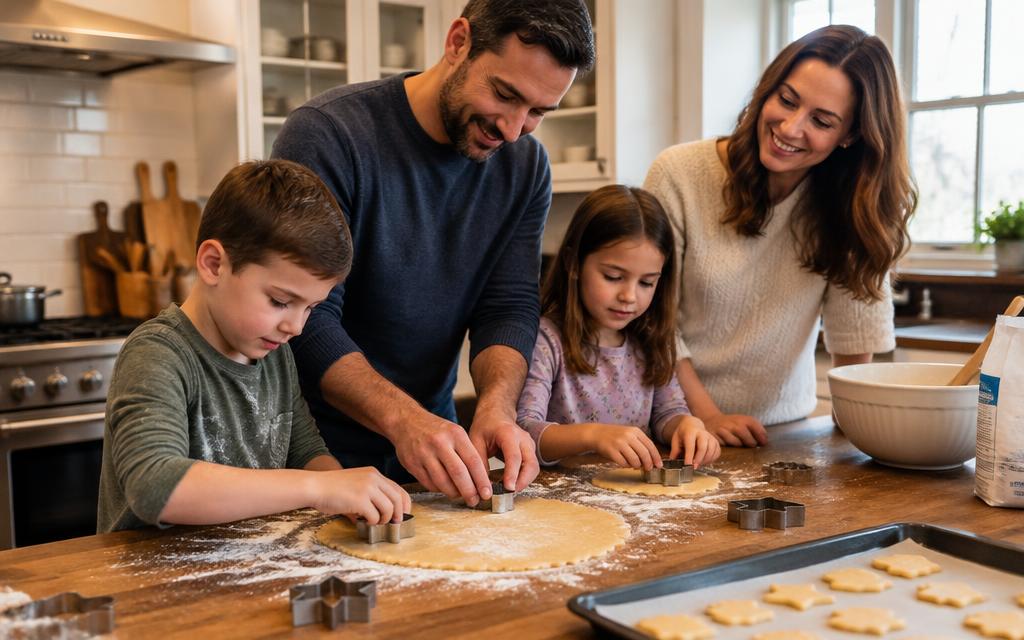
The most useful tips for blended families begin with a simple idea: a new household does not create instant emotional closeness. Adults may feel ready for a shared future while children are still adjusting to loss, change, or uncertainty. A child can like a stepparent and still miss the old family arrangement. A teenager can enjoy a new home and feel uneasy about enjoying it. These mixed feelings need room, not a demand to be grateful or move on.
Blended families take many forms. Children may move between homes, visit occasionally, or live mainly in one household. Some families form after separation, bereavement, or a long period of single parenting. No single schedule or role will fit everyone. The goal is not to copy a first-family model as quickly as possible. It is to build a household where people understand the rules, feel respected, and have time to form real relationships.
Tips for blended families start with realistic expectations
Do not use early enthusiasm as a deadline for future closeness. Children may be cheerful at first and become more upset once changes feel permanent. That does not necessarily mean the new arrangement is failing. It may mean they now feel safe enough to show more of what they feel. Keep routines steady and listen for practical worries: where belongings go, who collects them, and whether they still get time alone with their parent.
Avoid promising that everyone will feel like one happy family by a certain date. There is no reliable timetable for trust. Instead, set expectations for behavior that are fair and observable. People can be asked not to insult one another, damage belongings, or enter bedrooms without permission. They cannot be ordered to love someone, use a parental title, or enjoy every shared activity. Respect is a starting point; affection is not an assignment.
Protect one-to-one parent and child time
A new partnership changes how attention is shared. Children may worry that time with their parent now depends on accepting every new family activity. Schedule regular moments that remain theirs: a walk, breakfast, a bedtime chat, or a short game. The activity does not need to be expensive. What matters is that the child can count on contact without having to compete with the new relationship to receive it.
Explain this time to the new partner as an investment in the household, not a rejection of them. Stepparents also need time with their own children where relevant. Fairness does not always mean identical minutes, because ages and circumstances differ. It does mean noticing who is repeatedly overlooked and adjusting. Children often settle more easily when they do not feel they must resist the new family in order to protect their original bond.
Let stepparent relationships grow through ordinary contact
A stepparent can begin by being a reliable, interested adult. Offer a lift, remember an exam, share a hobby, or help with a practical task if invited. Do not treat every kind gesture as a deposit that should produce affection. A child may appreciate help without wanting a hug or a deep conversation. Give them room to accept contact in a way that feels manageable and genuine.
Avoid replacing a living or deceased parent in language or expectation. Ask what name feels comfortable rather than insisting on “Mum” or “Dad.” If grief is part of the family story, make room for memories and photographs where appropriate. The principles in unconditional love with boundaries can help adults offer steadiness without requiring a child to demonstrate loyalty or emotional readiness in return for basic care.
Agree on discipline before a problem happens
Adults should discuss household rules privately before expecting children to follow them. Keep the first rules focused on safety, respect, sleep, privacy, and shared spaces. In many families, it helps for the established parent to lead major discipline while the stepparent builds trust, though arrangements will vary with the child's age, existing relationships, and caregiving roles. Review the plan as relationships develop rather than treating the first arrangement as permanent.
A stepparent can still enforce immediate safety limits and ordinary house rules. The difference is between being a responsible adult and trying to secure authority through sudden harshness. If adults disagree, do not ask children to referee. Revisit the issue privately and present any changes clearly. Reading about raising kids as a team can help you divide responsibilities and handle disagreement without making one adult the permanent enforcer.
Keep children out of adult loyalties
A child should not have to prove love for one household by criticizing the other. Avoid asking for reports, making jokes about an ex, or treating enjoyment elsewhere as betrayal. Children may need to speak freely about missing another parent even when the adults have painful feelings about that person. You can listen without endorsing every adult's behavior or putting your own hurt into the child's hands.
Where safe and appropriate, the guidance in co-parenting after separation can help with schedules, information sharing, and keeping adult conflict away from children. In situations involving coercion or violence, ordinary cooperative advice may not fit; seek specialist and legal guidance that prioritizes safety. Children should not carry messages, negotiate exchanges, or manage the emotional reactions of adults who are responsible for their care.
Make belonging practical as well as emotional
Look at the home from each child's point of view. Is there somewhere to keep belongings between visits? Do they know where to find food, towels, and a charger? Are their photos present? Can they invite a friend when appropriate? A child who visits only part of the time can still need a stable place in the household, not the feeling of being a guest whose things are always packed away.
Also protect privacy between stepsiblings. Establish rules about knocking, borrowing, sharing devices, and entering bedrooms. Do not assume children of similar ages will want to share everything or spend all their free time together. Family connection is easier when individuals have some control over their space. Ask about problems privately, because a child may not want to raise an embarrassing concern in front of everyone at a family meeting.
Include extended family without forcing sides
Grandparents, aunts, uncles, and other relatives may also need time to understand their roles. Be clear that children deserve respectful treatment regardless of biology. Unequal gifts or repeated comparisons can leave lasting hurt, even when adults describe them as harmless. You cannot force identical feelings, but you can set expectations for conduct in your home and explain why certain behavior is not acceptable around the children.
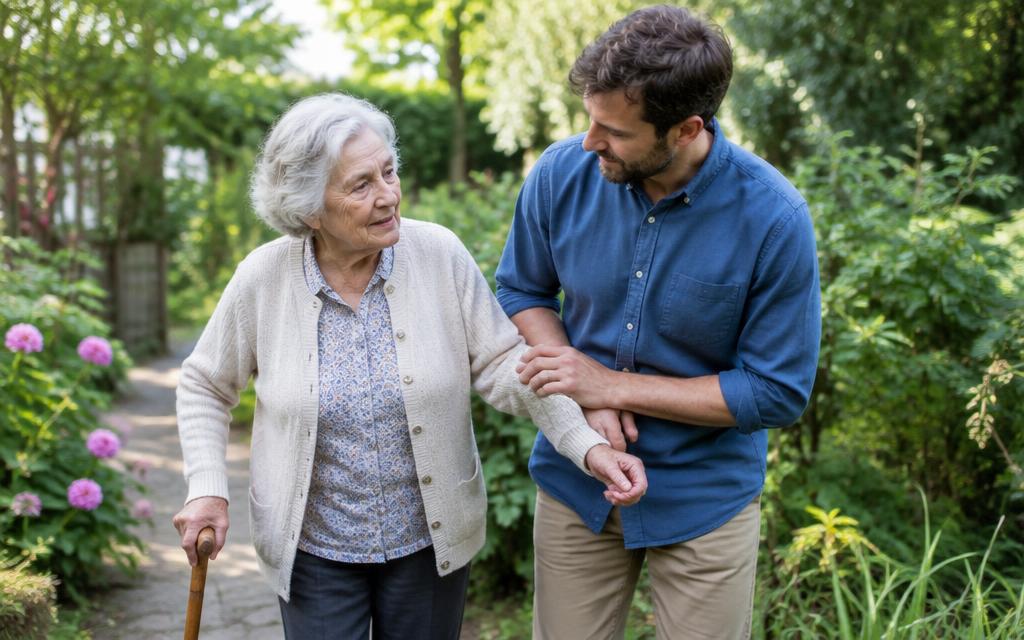
The guide to grandparents and grandchildren may help you think about connection across households and generations. Likewise, getting along with in-laws can support calmer discussions about visits, advice, and traditions. Handle these conversations between adults rather than asking children to tolerate exclusion quietly. Small, inclusive habits often work better than a speech announcing that everyone must immediately feel like family.
Review the plan as people grow
Hold occasional check-ins that focus on practical questions rather than demanding emotional declarations. Ask what is working, what feels confusing, and whether a routine needs changing. Give children more than one way to answer, including a private conversation later. Adults should also have time to discuss money, workload, and their relationship away from the children. A strong partnership helps, but it cannot depend on children making the transition look easy.
If conflict remains intense, a qualified family therapist with blended-family experience may help. Seek support early rather than waiting for one person to become the household problem. Progress might look like easier transitions, fewer arguments about belongings, or a child choosing to share a small piece of their day. Those quiet moments count. A blended family grows through repeated experiences of fairness and reliability, not through pressure to look settled before everyone has had time to belong.