How to Be a Good Friend (Not Just Have One)
August 11, 20264 min read
Most advice about friendship is about finding good friends or getting rid of bad ones. Far less is about becoming a good friend yourself. But friendship is a two-way street. The kind of friend you are shapes the kind of friendships you have.
Being a good friend does not require perfection or endless free time. It is mostly about a few simple, steady habits that make people feel seen, valued and safe with you.
Listen more than you talk
One of the greatest gifts you can give a friend is your full attention. When they talk, really listen. Put your phone down. Make eye contact. Ask follow-up questions. Resist the urge to immediately jump in with your own story or advice.
Sometimes friends just need to be heard. They do not want solutions. They want someone to say, 'That sounds really hard,' or 'I'd be upset too.' If you are not sure what they need, ask. 'Do you want advice, or do you just want me to listen?'
Remember the little things
Good friends remember details. The name of their friend's new boss. The date of a big job interview. That they hate mushrooms. That their dog was sick last week.
When you remember and ask about these things, it shows you care. 'How did the interview go?' or 'Is Biscuit feeling better?' can mean a lot. If your memory is not great, there is no shame in writing things down. Some people keep notes on their phone about friends' important dates.
Celebrate their wins
It is easy to show up when friends are struggling. It can be surprisingly harder to show up when they are thriving. When a friend gets a promotion, falls in love or achieves a dream, a small part of us might feel jealous, especially if our own life is not going well.
A good friend celebrates anyway. Genuinely. Send a message, raise a toast, tell them you are proud. Feeling truly happy for someone else's success is one of the clearest signs of real friendship.
Be there in hard times
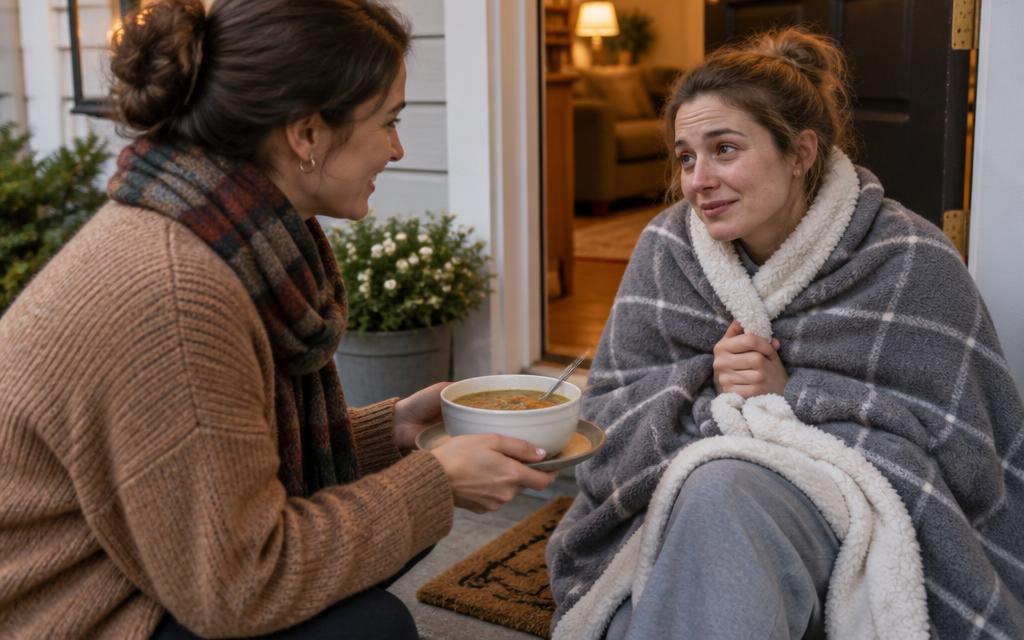
When a friend is going through something difficult, show up in practical ways. Bring food. Offer to babysit. Drive them to appointments. Sit with them in silence. Send a message even when you do not know what to say.
Many people avoid friends who are grieving or struggling because they are afraid of saying the wrong thing. But saying nothing often hurts more. A simple 'I'm thinking of you and I'm here' is enough.
Keep your word
Reliability is a huge part of friendship. If you say you will call, call. If you make plans, try your best to keep them. If you need to cancel, do it early and kindly, not at the last minute with a vague excuse.
Friends who are reliable make others feel safe. People know they can count on them. That trust is the foundation of deep friendship.
Keep secrets
When a friend tells you something private, keep it private. Do not share it with others, even if you think they would not mind. Do not hint at it or use it in a joke. Trust is hard to rebuild once broken.
If you are worried about a friend's safety and think someone else needs to know, talk to your friend first if possible. Explain your concern.
Be honest, kindly
Good friends are honest, even when it is uncomfortable. If your friend is about to make a big mistake, it is okay to share your concerns. If they hurt you, it is okay to tell them.
The key is to be honest with kindness. 'I care about you, and I'm a bit worried about this decision. Can I share why?' sounds very different from 'That's a terrible idea.' Honesty delivered with love helps a friendship grow.
Make effort, even when busy
Everyone gets busy. Work, family, health, life. But friendships fade when only one person makes all the effort. Try to reach out regularly, even with a quick message. Suggest plans. Do not always wait for your friend to contact you.
If you go through a busy time and fall out of touch, own it. 'I'm sorry I've been quiet. Life has been crazy, but I've missed you.' Most friends will understand.
Apologize when you get it wrong
Every friend will mess up sometimes. You might forget something important, say something hurtful or not be there when they needed you. When that happens, apologize sincerely. Do not make excuses. Just say, 'I'm sorry. I got that wrong, and I care about you.'
Be yourself
Finally, a good friend is real. You do not need to pretend to be perfect or always happy. Share your own struggles too. Let your friends support you sometimes. Friendship works best when both people can be fully themselves.
Being a good friend is not complicated, but it does take care. Choose one habit from this list and practice it this week. Your friends will feel the difference.
Keep reading
If this story helped, you may also like our deeper guides: How to Support a Grieving Friend With Care and Dealing With Jealousy in Friendships Kindly.