How to Support a Grieving Friend With Care
September 29, 20266 min read
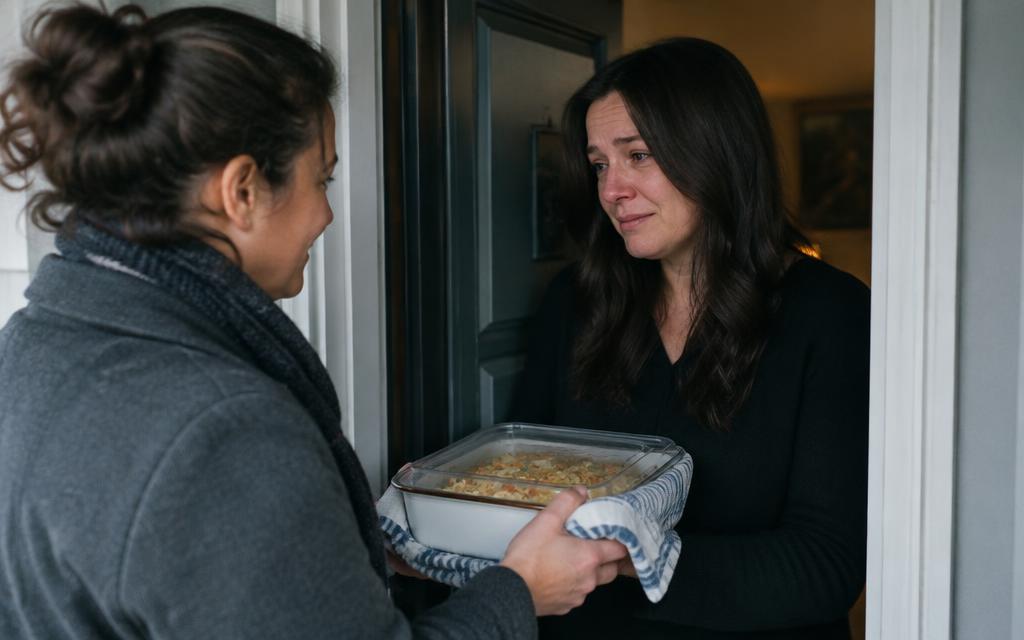
Knowing how to support a grieving friend does not mean knowing how to make grief smaller. Often, it means being willing to stay nearby when there is nothing useful to fix. You may worry that mentioning the loss will upset them, or that your words will sound clumsy. Those worries are understandable, but silence can leave a person feeling forgotten. A simple message such as “I'm so sorry. I'm thinking of you, and you don't need to reply” can offer real comfort. Start with care, not with the perfect sentence.
How to support a grieving friend by listening
Let your friend decide how much they want to say. They may want to describe what happened, tell the same story several times, or talk about something completely ordinary. Follow their lead instead of deciding what a grieving person ought to need. If they talk about the person who died, you can ask, “Would you like to tell me about them?” If they change the subject, allow that too. A break from grief is not disrespectful. It may simply be what helps them get through that hour.
Listen without looking for a bright side. Phrases such as “Everything happens for a reason” or “At least they lived a long life” can feel like an attempt to close the conversation. Even a long life can leave an enormous absence. Try acknowledging what is true: “You miss them so much,” or “That sounds incredibly hard.” You do not need to claim that you know exactly how they feel, even if you have experienced a similar loss. Your own story may help later, but first make room for theirs without turning the conversation toward you.
How to support a grieving friend with practical help
Specific offers are often easier to answer than “Let me know if you need anything.” A person dealing with grief may not have the energy to identify a task, choose someone to ask, and explain what needs doing. Try, “I'm shopping tomorrow. Can I pick up milk, bread, and fruit for you?” or “Would it help if I walked the dog on Thursday?” Keep the offer small and clear. Give them an easy way to decline, and do not assume that help you would want is automatically help they want.
Ask before arriving, organizing visitors, or making changes in their home. Tidying a room may seem caring, but moving someone's belongings can feel upsetting after a loss. Food can be useful, yet dietary needs, freezer space, and an overflowing fridge matter. A grocery voucher or a familiar takeaway may fit better than another large casserole. If a group wants to help, ask whether your friend would welcome one person coordinating offers. The aim is to reduce decisions and interruptions, not create a schedule they now have to manage while exhausted.
How to support a grieving friend over time
Support often arrives quickly after a death and fades just as everyday life starts to feel especially lonely. Keep checking in after the funeral, after visitors leave, and when work resumes. A short message on an ordinary Tuesday can matter as much as a long conversation in the first week. Avoid making promises you cannot keep. “I'll call every evening” may sound comforting but become another disappointment if you stop after three days. A smaller, reliable offer is kinder: “Would a Sunday check-in feel helpful for the next month?”
Remember difficult dates if your friend wants them acknowledged. Birthdays, holidays, the anniversary of a death, and ordinary family events can bring fresh waves of sadness. You might say, “I know this weekend could be hard. Would you like company, or would you prefer space?” There is no single correct answer. Their preference may also change from one year to the next. The steady habits discussed in how to be a good friend can be especially helpful here: notice, ask, follow through, and stay flexible rather than assuming yesterday's answer still applies.
How to support a grieving friend without a timetable
Grief does not follow a tidy calendar. A friend may laugh at lunch and cry on the journey home. They may feel relief after a long illness, anger about what happened, guilt over an unfinished conversation, or several feelings at once. These responses do not tell you how much they loved someone. Avoid judging progress by how often they smile or how quickly they return to familiar activities. You can support the life in front of you without asking your friend to demonstrate that they are coping in a way you recognize.
Different families, faiths, and cultures approach death differently. Ask rather than guess about rituals, food, clothing, visits, or prayer. “Are there customs you'd like me to know about?” leaves room for your friend to guide you without having to defend their choices. Not every person follows the customs associated with their background, either. The same care applies to losses others may overlook, including the death of an estranged relative, a former partner, or a beloved pet. You do not need to rank the loss before offering kindness and attention.
How to support a grieving friend and respect limits
Your friend may cancel plans, take longer to reply, or have less energy for your usual conversations. Give some room for that change without assuming they no longer care. Offer lower-pressure options, such as sitting together, taking a quiet walk, or watching something familiar. At the same time, you are allowed to have limits. You can say, “I can stay until eight, and I can call tomorrow.” Learning about setting healthy boundaries can help you offer support you can maintain rather than exhausting yourself and suddenly disappearing.
You are a friend, not their entire support system. If they want more help, offer to look for a grief group, counselor, faith leader, or another trusted person with them. Do not present professional support as a punishment for still being sad. It is simply another place to be cared for. If they talk about wanting to die or you believe they may be in immediate danger, take it seriously: ask directly about their safety and contact local emergency or crisis support when needed. You do not have to manage an urgent safety concern alone.
Sometimes you will get something wrong. You might forget a date, use an awkward phrase, or push an invitation when your friend needed quiet. If they tell you, listen and make a simple repair. “I'm sorry. I was trying to reassure you, but I can hear that it felt dismissive. I'll listen instead.” Do not ask them to reassure you that you are a good person. If you need help finding accountable words, how to apologize to a friend can guide you. A mistake does not have to end your ability to be supportive.
If you are part of a wider circle, be careful with updates about your friend. Grief does not remove their right to privacy. Ask what information they want shared and with whom, even when others are asking out of genuine concern. A simple answer such as ‘They appreciate your care, but I'm keeping the details private’ can protect them from repeated questions. Do not post photographs, tribute messages, or personal memories involving them without considering their wishes. Thoughtful support often means making fewer assumptions. You can care publicly in ways that do not reveal someone else's private experience, or simply choose to care quietly.
When you do not know what to do next, return to a few plain questions. Have you asked what would help today? Have you followed through on the thing you offered? Have you left room for both conversation and silence? Long-term care rarely looks dramatic. It might be remembering a favorite snack or keeping an invitation open without pressure. The approach in keeping old friendships alive applies here too: small, dependable contact matters. You cannot remove your friend's loss, but you can help them feel less alone while learning to live with it.