When Your Kids Grow Up: Building a New Bond With Adult Children
October 10, 20264 min read

For eighteen years or so, the parent-child relationship has a clear shape. Parents guide, protect and make decisions. Children learn, push back and slowly grow up. Then one day, the child is an adult. They have their own job, their own home, maybe their own family. And everyone is a little unsure how to behave.
This shift is one of the most important and least discussed changes in family life. Done well, it can turn into a deep friendship between two adults who share a lifetime of history. Done poorly, it can lead to tension, distance and years of hurt feelings.
For parents: moving from manager to consultant
One helpful way to think about it is this. When your children were young, you were the manager of their lives. Now that they are adults, your role is more like a consultant. You can offer advice when asked. You can share your experience. But they make the final decisions.
This can be very hard. You have spent years worrying about them, and the worry does not switch off. When you see them making choices you disagree with, the urge to step in is strong. But unasked-for advice often feels like criticism to an adult child. It can push them away.
Try asking before advising. 'Do you want my thoughts on this, or do you just need to vent?' This simple question shows respect and gives them control. Often, when they feel respected, they will ask for your advice more freely.
For adult children: seeing parents as people
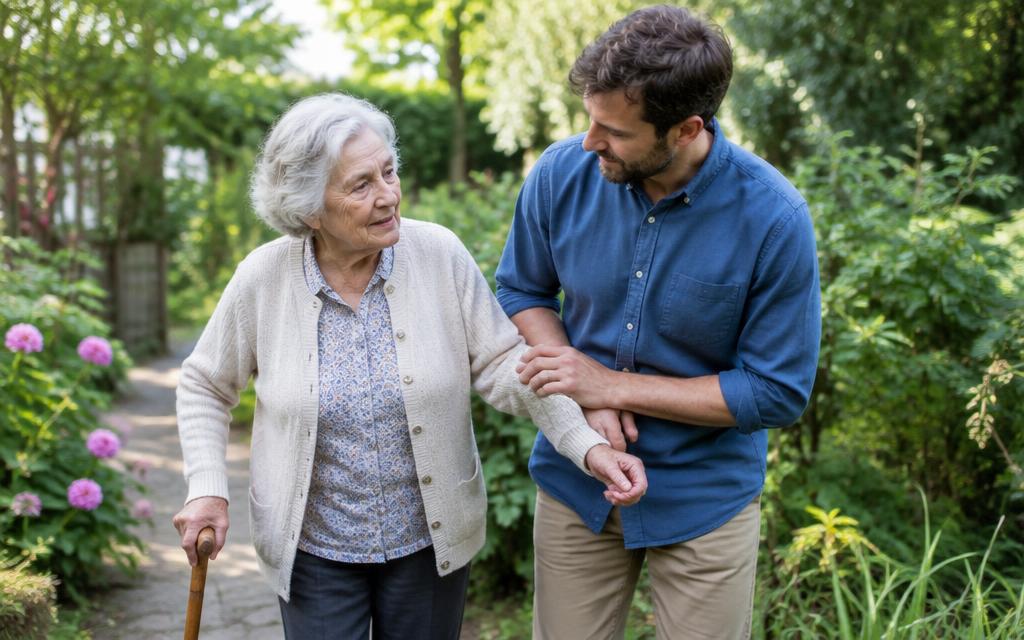
From the other side, one of the biggest steps in adult life is starting to see your parents as real people. Not just as Mom and Dad, but as humans with their own fears, regrets, dreams and limitations.
When you can see your parents this way, it becomes easier to understand some of their choices. Maybe they were strict because they were terrified of losing you. Maybe they made mistakes because they had no one to teach them better. This does not erase hurt, but it can soften it.
It also opens the door to new kinds of conversations. Ask your parents about their childhood, their first jobs, how they met, what they wished they had done differently. You may discover a whole person you never really knew.
Boundaries go both ways
Healthy adult relationships need boundaries, and family is no exception. Adult children may need to set limits around visits, advice, money or how their own children are raised. Parents may need boundaries too, around being treated as free babysitters or emergency funds.
Setting boundaries does not mean you love each other less. It means you are treating each other as adults who have their own lives and needs. The key is to communicate them kindly and clearly, without blame.
Old wounds
Many families carry old hurts from childhood. Maybe there was a divorce, harsh discipline, favoritism or emotional distance. These wounds do not disappear just because everyone is grown up. Sometimes they come out during holidays or stressful times.
If there are old hurts in your family, it can help to address them gently. An adult child might say, 'I've been thinking about some things from when I was younger, and I'd like to talk about them, not to blame you, but because I want us to be closer.' A parent might say, 'I know I made mistakes. I'd like to hear how they affected you.'
These talks can be painful, but they can also be deeply healing. Sometimes a family therapist can help guide them.
Staying connected
As children build their own lives, it is natural to see each other less. Work, distance and new families all take time. But staying connected does not require huge effort.
Regular calls, shared group chats, family meals once a month or simple text check-ins can keep the bond warm. Some families start new traditions as adults, like an annual trip or a monthly game night. These rituals create fresh memories that are not just about the past.
When grandchildren arrive
When adult children become parents, the relationship shifts again. Grandparents often feel a rush of love and a strong desire to be involved. But they also need to respect that their children are now the parents, with their own rules and ways.
This can be a source of tension or a source of joy. The families that do best tend to talk openly about expectations. How often will grandparents visit? What kind of help is welcome? What rules should they follow? Clear answers prevent a lot of hurt feelings.
A friendship built on history
When it works, the relationship between parents and adult children can be one of the richest in life. Few people know you as long or as deeply. There is a shared history no one else has.
It takes effort from both sides. Parents need to let go of control. Children need to let go of old resentments where they can. Both need to see each other as adults. But the reward is a bond that can carry you both through every stage of life, with love that keeps finding new ways to grow.
Keep reading
If this story helped, you may also like our deeper guides: Tips for Blended Families: Building Trust Slowly and Raising Kids as a Team: Share the Load Fairly.