The Gift of a Good Mentor: Relationships That Help Us Grow
July 1, 20264 min read

Think back to someone who changed the direction of your life. Maybe it was a teacher who saw something in you. A boss who gave you a chance. An older cousin who taught you how the world works. A neighbor who let you help in their workshop. Many of us have had at least one person like this.
These are mentors. People who use their experience to help someone else grow. Mentoring relationships are a special kind of social bond. They are not quite friendship and not quite family, but they can be just as meaningful.
What a mentor actually does
A mentor is not just someone who gives advice. A good mentor listens. They ask questions that help you think. They share their own mistakes so you can avoid them. They open doors you did not know existed. And maybe most importantly, they believe in you, sometimes before you believe in yourself.
Mentors can help in many areas of life. Career, of course, but also faith, parenting, creativity, health or simply growing up. Some mentors are formal, through a program at work or school. Many are informal, relationships that grow naturally over time.
Why mentoring matters
People with mentors often do better in many ways. They tend to feel more confident, make better decisions and reach their goals faster. Young people with mentors are more likely to stay in school and avoid risky behavior.
But the benefits are not only practical. Having someone who cares about your growth is deeply encouraging. It reminds you that you are not alone in figuring life out.
How to find a mentor
Many people wait for a mentor to appear like magic. Sometimes that happens. But often, you need to take the first step.
Start by noticing people you admire. Who has the kind of life, career or character you would like to grow toward? They might be a senior colleague, a community leader or someone in your extended family.
Then reach out simply. You do not need to ask, 'Will you be my mentor?' That can feel like a big commitment. Instead, ask for a small thing. 'I really admire how you handled that project. Could I buy you a coffee and ask a few questions?' If the conversation goes well, ask again. Many mentoring relationships grow from a few good conversations.
Being a good mentee
Mentoring is a two-way street. If someone gives you their time, respect it. Come prepared with questions. Listen carefully. Follow up on their advice and let them know how it went. Thank them.
Be honest about your struggles. Mentors cannot help if you only show them your polished side. At the same time, remember that they are human too. They will not have all the answers, and their advice is not always right for you. Take what fits and leave the rest.
Becoming a mentor
You do not need to be old or hugely successful to be a mentor. If you have learned something through experience, you can help someone who is a few steps behind you. A second-year student can mentor a first-year. A new parent can mentor someone expecting their first child.
Being a mentor is often just as rewarding as having one. Seeing someone grow, partly because of your support, gives a deep sense of meaning. It also makes you reflect on your own journey and keeps you learning.
What makes a good mentor
Good mentors are patient. They let people make their own choices, even when they would choose differently. They give honest feedback, but with kindness. They celebrate their mentee's wins without needing credit.
They also know their limits. A mentor is not a therapist or a parent. If someone is dealing with something serious, a good mentor helps them find the right kind of support.
Mentoring across differences
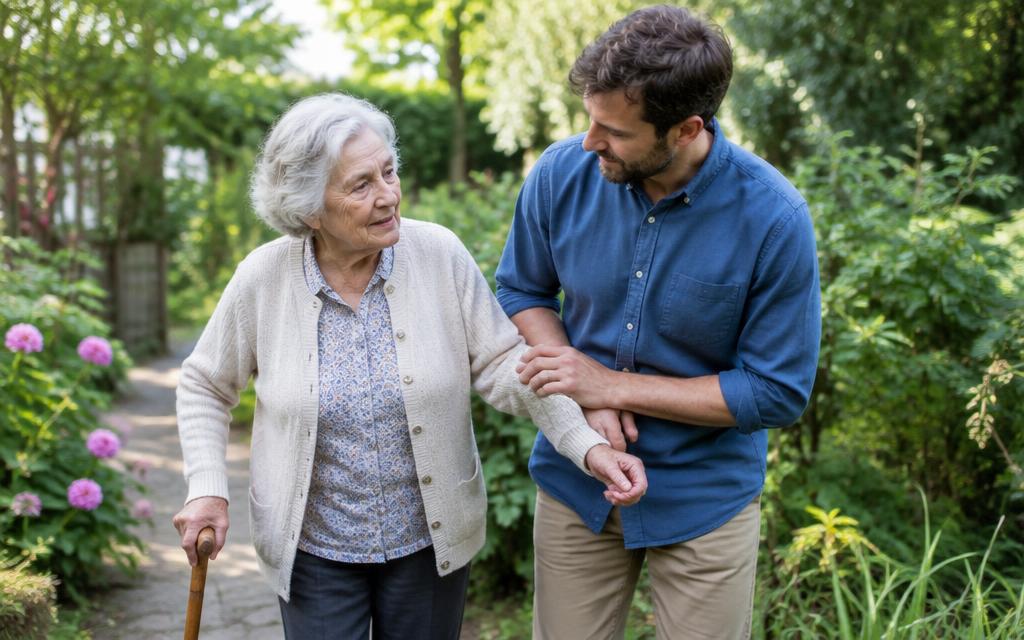
Some of the richest mentoring relationships happen across differences, between generations, cultures or backgrounds. An older mentor can share wisdom while a younger mentee brings fresh perspectives and new skills. Both learn.
In fact, many workplaces now encourage reverse mentoring, where younger employees teach older ones about technology or new trends. This kind of exchange breaks down barriers and builds respect in both directions.
Passing it on
Many people who had great mentors feel a strong desire to give back. That is how mentoring works across generations. Someone helped you, and now you help someone else. It is a chain of kindness that keeps going.
If you had a mentor who changed your life, maybe this is a good time to thank them. And if you have something to share, look around. Someone near you might be quietly hoping for exactly the kind of support you could give.
A final thought
The ties around us are never perfect. Families argue, neighbors annoy us and coworkers test our patience. But these imperfect connections are also what hold us up when life gets hard. They deserve a little patience, a little effort and a lot of grace.
Keep reading
If this story helped, you may also like our deeper guides: Finding Community and Belonging Where You Are and How to Handle Family Conflict Without Making It Worse.