The Stages of a Relationship and How to Move Through Them
May 21, 20264 min read

Every relationship is unique, but most of them move through a similar set of stages. Knowing these stages can be really comforting. It helps you understand why things feel different now than they did a year ago. It also helps you see that many struggles are normal, not signs that something is broken.
Different experts use different names, but here is a simple version of the journey many couples take.
Stage one: the honeymoon
This is the stage everyone knows from movies. Everything feels exciting and perfect. You cannot stop thinking about each other. Their flaws seem cute. You want to spend every minute together.
This stage is wonderful, but it is partly driven by brain chemistry. Your body is full of feel-good hormones that make you focused on this one person. It usually lasts somewhere between a few months and two years.
Enjoy it. But try not to make huge life decisions purely based on how this stage feels. It is not a reliable picture of what the relationship will be like long term.
Stage two: reality sets in
Eventually, the glow fades a little. You start to notice things that bother you. They leave dishes in the sink. They are always late. They have a habit that drives you mad. You might have your first real arguments.
Many couples panic here. They wonder if the love is gone. But this stage is actually important. It is the first time you see each other as real, imperfect humans. Real love can only start when you see someone clearly.
The key in this stage is learning to accept differences and handle conflict well. Not every difference needs to be fixed. Some can just be lived with.
Stage three: the power struggle
For many couples, the next stage brings more serious conflict. Each person is trying to figure out how much of themselves they need to keep and how much they need to adjust for the relationship. Old wounds from childhood or past relationships often come up.
This can feel like the hardest stage, and it is where many relationships end. But couples who work through it often come out much stronger. This is where you learn how to communicate, how to compromise and how to stay connected even when you disagree.
If you are stuck here, it might help to see a couples counselor. A neutral person can help you understand each other's patterns and find better ways to talk.
Stage four: stability
When couples get through the power struggle, they often find a calm, steady stage. They have learned each other's ways. They know how to handle conflict. They feel secure and comfortable.
This is a lovely stage, but it has one danger: boredom. When things are stable, couples can slip into routine and start taking each other for granted. Life becomes predictable. Romance fades into the background.
To keep this stage healthy, couples need to keep investing. Date nights. New experiences. Real conversations. Small acts of kindness. Stability is a great foundation, but it needs to be decorated with a bit of effort.
Stage five: commitment and partnership
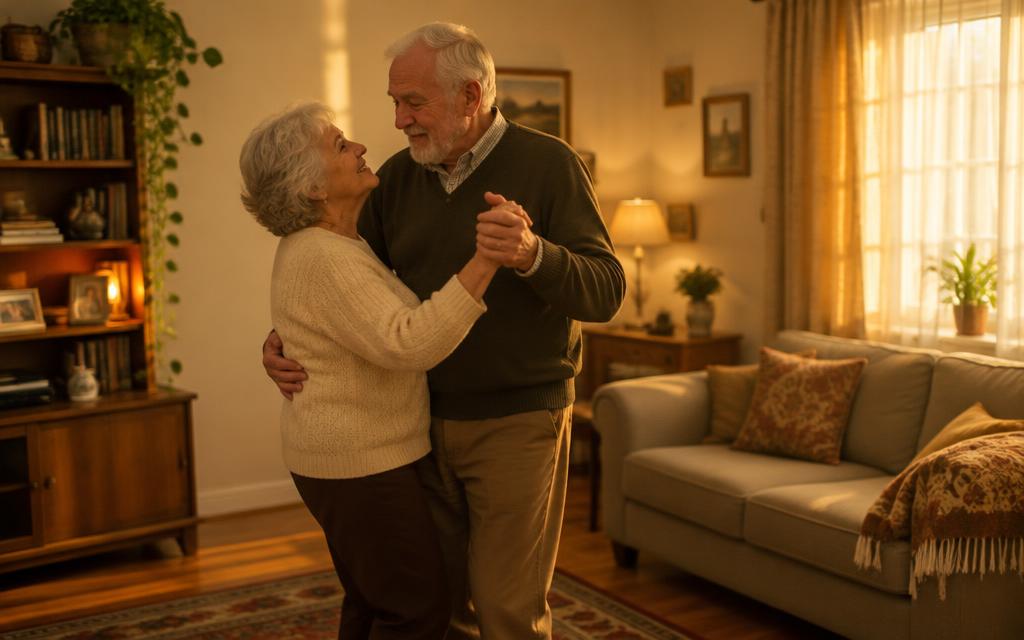
In this stage, couples have fully chosen each other with clear eyes. They know each other's flaws and love each other anyway. They feel like a team. Many couples in this stage build something bigger together, like a family, a home or a shared project.
Love in this stage is often described as deep and mature. It may not have the fireworks of the honeymoon stage, but it has a richness that only comes from years of shared life.
Stages are not a straight line
It is important to know that relationships do not always move neatly from one stage to the next. Life events can push you back. A new baby, a job loss, a move or an illness can bring back power struggles even in a long, stable marriage.
That is normal. Each time you go through a hard stage again, you have a chance to grow even closer. Think of it less like a ladder and more like a spiral. You keep circling back to similar challenges, but each time you are a little wiser.
Why this matters
Understanding these stages can prevent a lot of unnecessary heartbreak. If you know that the fading of early excitement is normal, you will not assume your relationship is failing. If you know that power struggles are part of the process, you can approach them with curiosity instead of fear.
Wherever you are in your journey right now, be gentle with yourselves. Every stage has its gifts and its challenges. With patience, honesty and care, each one can lead to a deeper kind of love.
A final thought
Love does not come in one size or one shape. What matters is not whether your story looks like a movie or like your neighbor's life, but whether it is honest, kind and good for both of you. That is the only test that really counts.
Keep reading
If this story helped, you may also like our deeper guides: Types of Relationships Explained: A Clear Guide and Signs You Are Falling in Love: What to Notice.