Why Neighbors Still Matter in a Disconnected World
August 14, 20264 min read
Not long ago, knowing your neighbors was normal. People borrowed sugar, watched each other's kids and sat on front steps chatting in the evening. Today, many of us do not even know the names of the people living a few meters away. We nod in the elevator and hurry inside.
There are reasons for this. People move more often. We work long hours. We get our sense of community online instead of on our street. But something important is lost when neighbors become strangers. Good neighbors can make life safer, kinder and much less lonely.
The quiet power of nearby people
Neighbors are the people physically closest to us. In an emergency, they are often the first ones who can help. If you fall ill, if a pipe bursts, if your child gets locked out, a friendly neighbor can make a huge difference.
But the value goes beyond emergencies. Small daily interactions with people nearby give us a sense of belonging. A wave from the person across the street. A short chat while taking out the trash. These tiny moments remind us that we are part of something bigger than our own four walls.
Research on loneliness shows that weak ties, the casual relationships we have with people we see often but do not know deeply, are surprisingly important for well-being. Neighbors are a big part of those weak ties.
Start with a simple hello
If you do not know your neighbors, the easiest place to start is just saying hello. Introduce yourself. Learn their names. Ask how long they have lived there. It might feel awkward at first, but most people appreciate the gesture.
You do not need to become best friends. Just being on friendly terms is enough to change how a place feels. When you know the people around you, your neighborhood starts to feel like home rather than just an address.
Small acts of kindness
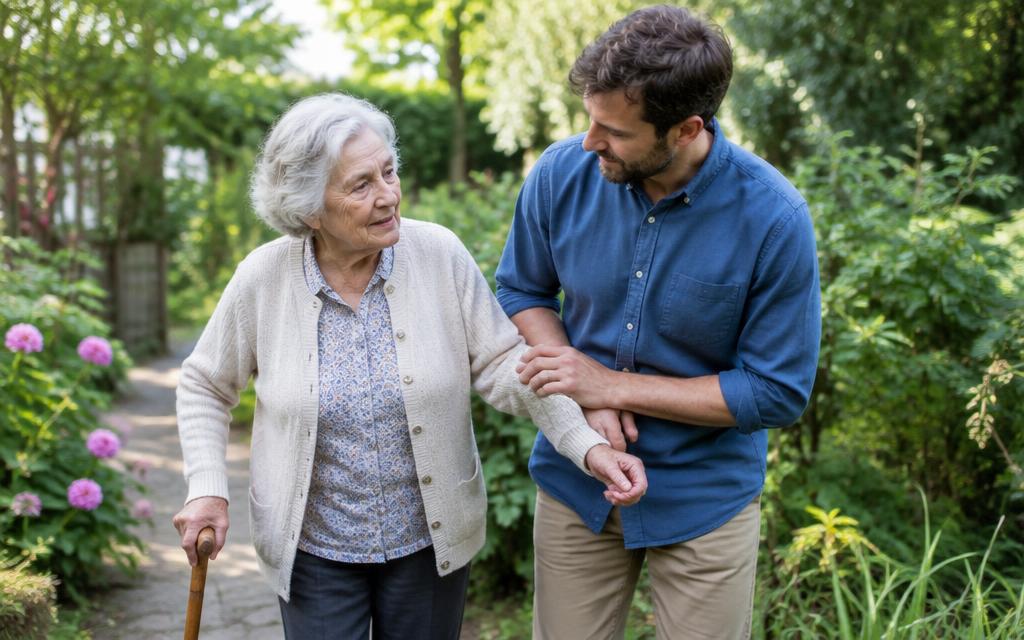
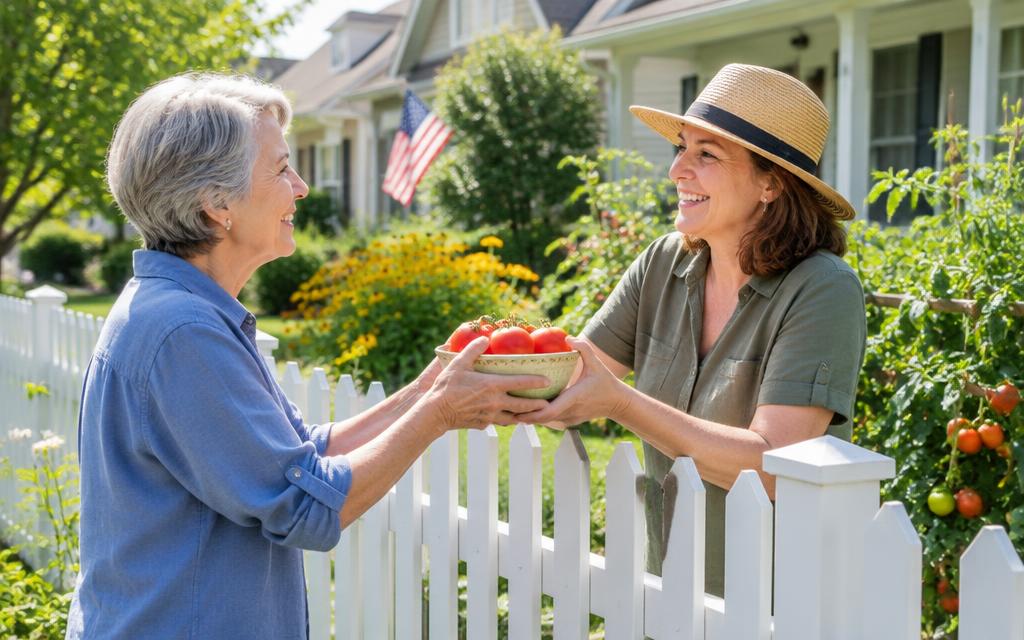
Being a good neighbor is often about small, thoughtful acts. Bringing in their packages when they are away. Offering to water plants. Sharing extra food from your garden. Shoveling a bit of their sidewalk in winter. Checking on an older neighbor during a heat wave.
These acts do not take much time, but they build trust and goodwill. And kindness tends to come back. A neighbor you helped may be the one who helps you next time.
Respecting boundaries
Good neighbor relationships also need respect. Not everyone wants a lot of contact, and that is okay. Some people are private. Some are shy. Some are dealing with things you do not know about.
Pay attention to their cues. If someone keeps conversations short, do not push. Keep noise at reasonable levels. Keep shared spaces clean. Be considerate about parking, pets and late-night activities. Respect is the foundation of any good neighbor relationship.
Handling conflicts
Living close to other people means conflicts will sometimes happen. A loud party. A barking dog. A tree branch over the fence. These issues can grow into long-running feuds if they are not handled well.
The best approach is usually a calm, friendly conversation early on. Instead of leaving an angry note or complaining to others, knock on their door and talk. 'Hi, I wanted to mention something. Your dog has been barking a lot in the mornings and it's waking my baby. Is there anything we could figure out together?'
Most people respond much better to a friendly talk than to formal complaints. If the problem continues, you can look for other solutions, but starting with kindness usually works.
Building community
If you want to go further, you can help build a sense of community where you live. Organize a small gathering. Start a neighborhood group chat for sharing news and help. Arrange a clean-up day or a shared meal. Create a little free library or a plant swap.
These things do not need to be big. Even one small event can bring people together who have lived side by side for years without talking. Once people know each other, they tend to look out for each other more naturally.
Neighbors across generations
Neighborhoods are often one of the few places where different generations mix naturally. Young families, students, working adults and retirees may all live on the same street. These connections can be very rich.
An older neighbor might share stories about how the area used to be. A young family might bring energy and life. Teenagers might help older neighbors with technology or heavy lifting. These relationships enrich everyone involved.
A kinder street
In a world where many people feel lonely and disconnected, neighbors are an easy place to start rebuilding connection. You do not need to travel or join anything. The people are already there, right outside your door.
This week, try one small thing. Learn one new neighbor's name. Offer a small kindness. Wave a bit more. These little actions add up, and slowly, your street can become a warmer place for everyone who lives there.
Keep reading
If this story helped, you may also like our deeper guides: Setting Boundaries With Parents Without Losing Closeness and Family Traditions That Bring People Closer.