Family Traditions That Bring People Closer
September 6, 20266 min read
Family traditions that bring people closer do not need matching clothes, expensive trips, or a perfect holiday table. Sometimes they look like pancakes on the first Sunday of the month. Sometimes they are a voice message sent before a hard exam. A tradition becomes meaningful when people know what to expect and feel welcome taking part. The repeat matters, but so does the feeling it creates. A familiar ritual should offer connection, not another test someone can fail.
If your family has few happy traditions, you can start small. If you have many, you can keep the ones that still fit and change the ones that cause strain. Families grow, move, separate, blend, and grieve. Their traditions can change too. What matters is whether the ritual supports the people living with it now.
Start with what already feels good
Think about the last few times your family relaxed together. What were you doing? Perhaps everyone lingered after a simple meal, or an ordinary walk led to a surprisingly good conversation. Build from that instead of choosing something that looks impressive online. A tradition works better when it fits the people involved. If nobody enjoys formal dinners, buying special plates is unlikely to change that.
Ask each person for one memory they would like to repeat. Children may name a tiny detail, such as choosing music while cooking. Adults may remember having enough time to talk. Write down the common threads. You are looking for conditions that help people connect, not a schedule full of activities. One repeatable pleasure is enough for a beginning.
Choose family traditions that fit real budgets
Set a cost that everyone can manage without having to explain their finances in public. A monthly restaurant meal can quietly exclude a relative who is short of money. A shared picnic, a library outing, or a kitchen-table game may leave more room for everyone. If someone offers to pay, make clear whether it is a gift. Hidden expectations can turn a generous offer into a source of tension.
Time is a cost too. A parent working weekends or a relative managing fatigue may not have a whole afternoon available. Try a twenty-minute call or an occasional breakfast instead. Ask what people can sustain, not what they can manage once through great effort. A modest plan that actually happens often feels warmer than a grand plan that leaves everyone exhausted.
Make food a welcome, not a performance
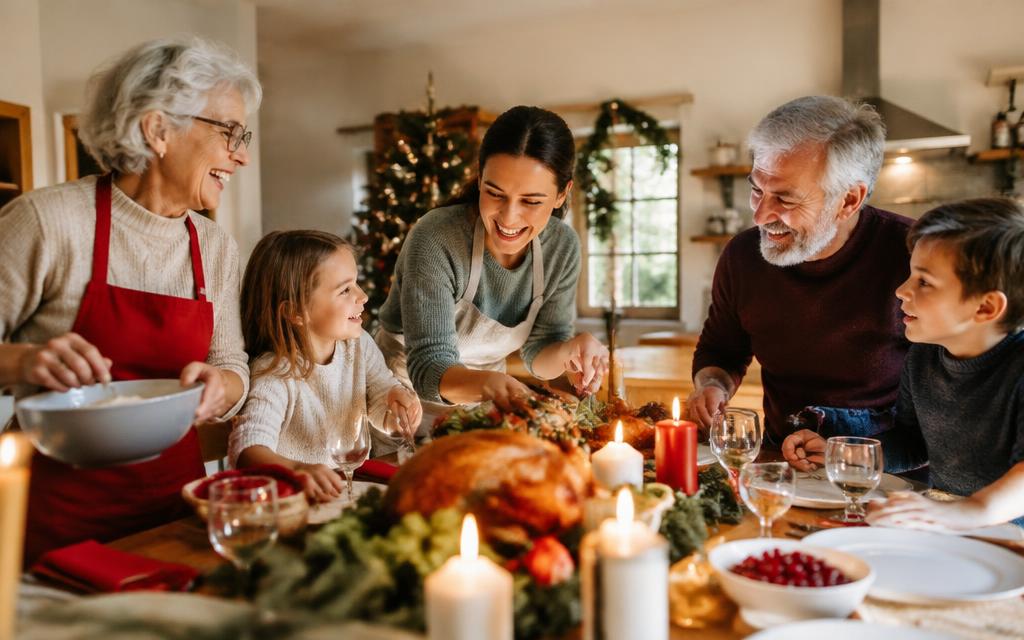
A shared meal is a useful tradition because it gives people something ordinary to do together. You might make soup on the first cold weekend or let each person choose a simple birthday breakfast. Keep room for food allergies, religious needs, and changing tastes. Nobody should have to risk their health or defend their beliefs to show that they belong at the table.
Share the work as well as the food. One person can shop, another can clear up, and someone else can choose music. Children can help in ways that fit their age and ability. If the same relative spends every gathering in the kitchen, the tradition may feel very different to them. Ask the person doing the most work what would make the day enjoyable.
Build bridges between generations
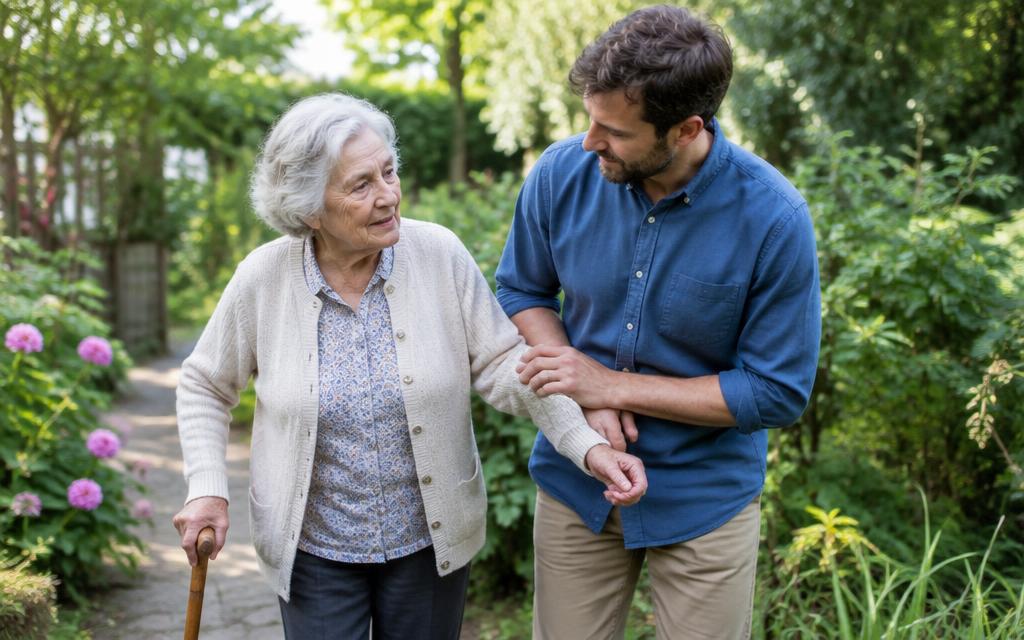
Try a ritual that lets older and younger relatives teach each other something. A grandparent might show a child how to mend a loose button. A teenager might help organize family photos. The activity gives conversation a place to begin without demanding a deep talk on command. Let people pass if they feel shy, tired, or uninterested that day.
There are many ways to strengthen connections between grandparents and grandchildren without assuming everyone lives nearby. Record a favorite story with permission, exchange postcards, or share a short call during a familiar weekly activity. Avoid making older relatives responsible for endless entertainment or younger ones responsible for being cheerful. A relationship grows through mutual interest, not through a performance of family closeness.
Let new people help shape the ritual
Partners, stepchildren, foster relatives, and chosen family may arrive with traditions of their own. Make room for those customs instead of treating the oldest version as the only correct one. You can ask, 'Is there something from your family that you would enjoy sharing?' The answer may be a recipe, a song, a quiet day, or a wish to avoid a particular celebration.
Welcoming someone does not mean asking them to represent an entire culture or tell a painful personal story. Offer choice and follow their lead. Ideas for getting along with in-laws are useful here because small acts of respect can ease the pressure of joining an established group. Explain unfamiliar routines kindly rather than laughing when someone does not know what usually happens next.
Give distant relatives a place without adding homework
A long-distance tradition should be easy to join. A shared photo on the first day of each season may work better than a two-hour video call. Consider time zones, work shifts, internet access, and whether people enjoy being on camera. You might keep the live part short and let anyone who misses it send a message later.
Avoid turning a shared chat into a stream of obligations. People can care about family without responding to every photo immediately. Ask before posting children's images or sharing personal news beyond the group. If relatives want more regular contact, the practical steps in finding community and belonging can also help: repeated, low-pressure contact often gives connection more room to grow than occasional intense gatherings.
Protect traditions from becoming rules
A ritual loses warmth when attendance becomes proof of love. Someone may miss a meal because they are ill, working, grieving, or simply in need of rest. Try saying, 'We will miss you, and you are welcome next time,' rather than demanding a defense. An invitation leaves a door open. A guilt trip makes people look for an exit.
This matters especially when adult children are balancing several households. A useful look at relationships between parents and adult children can help families make space for changing responsibilities. Rotate dates, alternate celebrations, or create a second small gathering. You can feel disappointed and still respect someone's decision. The tradition belongs to the relationship; the relationship does not exist to keep the tradition unchanged.
Make room for loss and difficult memories
After a death, separation, or family rupture, an old tradition can feel comforting to one person and unbearable to another. Ask what people want before assuming that carrying on will help. Someone may want an empty place at the table. Someone else may prefer a new location. Neither response proves more love. Grief can change from one year to the next.
Offer a small choice rather than demanding agreement about everything. You might keep the familiar meal but shorten the day, or invite people to share a memory without requiring anyone to speak. Do not force reconciliation as part of a holiday ritual. If contact is unsafe or harmful, a smaller gathering with trusted people may be the kinder option. Belonging should not require enduring mistreatment.
Review what the tradition is doing for everyone
After a few repeats, ask two simple questions: What felt good, and what felt like work? Listen especially to the people who plan, pay, travel, cook, or clean. Their experience may reveal costs that others do not see. Change one detail at a time. You might reduce the guest list, move the start time, or share the planning role.
For this month, choose one ritual that takes little money and less than an hour. Invite people clearly, explain what is optional, and let the first attempt be ordinary. Perhaps everyone brings a song to Sunday breakfast or tells one story during an evening walk. The value will not be obvious in a single photograph. It will show up when people begin saying, 'Are we doing that again?'