Cultural Expectations and Marriage: Finding Your Own Way
May 15, 20264 min read
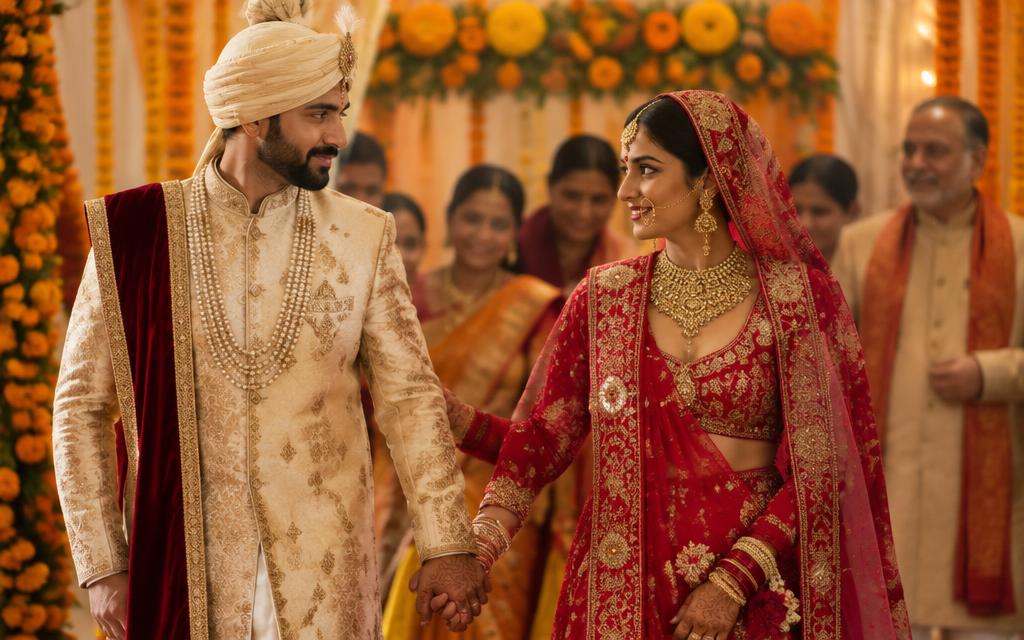
Long before we ever fall in love, we absorb ideas about what marriage should look like. From our parents, our grandparents, our religion, our community and the movies we watch. These ideas tell us when to marry, who to marry, how husbands and wives should behave and what a good family looks like.
For many people, these cultural expectations are a source of comfort and meaning. For others, they feel like a heavy weight. Most people feel a bit of both. Finding a balance between honoring your culture and building a relationship that truly fits you is one of the quiet challenges of modern life.
Where expectations come from
Cultural expectations about marriage often grew for good reasons. In the past, marriage was about survival, family alliances, property and community stability. Rules about who could marry whom and how couples should live helped keep societies running.
Many of these traditions still carry real wisdom. Respect for elders. Commitment through hard times. The importance of family support. But some expectations were built for a very different world, and they may not fit how people live today.
Common pressures
People feel cultural pressure around marriage in many ways. Pressure to marry by a certain age. Pressure to marry within a certain religion, caste, class or ethnic group. Pressure about gender roles, like who should earn money and who should cook. Pressure to have children quickly. Pressure about how big the wedding should be.
These pressures can come from parents, relatives, neighbors or simply from a general feeling of what is normal. Even when no one says anything directly, people can feel a constant hum of expectation.
When love meets tradition
Conflict often appears when someone falls in love with a person their family or community does not approve of. Maybe the partner is from a different faith, country or background. Maybe they do not fit the family's idea of a suitable match.
These situations can be heartbreaking. People feel torn between their love for their partner and their love for their family. There is no easy answer. Some families come around with time and patience. Others never fully accept the relationship.
If you are in this situation, it can help to give your family time and information. Introduce your partner slowly. Let them see who this person really is. Explain why the relationship matters to you, calmly and respectfully. At the same time, it is important to remember that you are an adult who gets to make your own choices.
Gender roles in modern marriage
Many traditional cultures have clear ideas about what husbands and wives should do. Today, many couples want to share roles more equally. Both may work. Both may cook, clean and care for children.
This can lead to tension with older family members who expect things to be done the traditional way. It can also create tension inside the couple, if one person wants a more modern arrangement and the other feels more comfortable with traditional roles.
The most important thing is that the couple agrees on what works for them. There is no single right way. What matters is fairness, respect and open communication.
Keeping the good parts
Finding your own way does not mean rejecting your culture completely. Many couples choose to keep the traditions that feel meaningful to them while letting go of the ones that do not.
You might keep your family's wedding rituals, holiday celebrations, food traditions and language, while choosing a more modern approach to roles at home. You might honor your elders deeply while still making your own decisions about your relationship.
Culture is not a fixed box. It has always changed over time. Each generation adds its own ideas. You are part of that process.
Talking with your partner
If you and your partner come from different cultures, or even different families within the same culture, talk about expectations early. What does marriage mean to each of you? What traditions matter? How do you see roles at home? How involved will extended family be?
These conversations can reveal hidden assumptions. It is much easier to work through them before marriage than after.
Being gentle with yourself
Navigating cultural expectations can bring up guilt, fear and sadness. You might worry about disappointing your parents or losing your community. These feelings are natural.
Try to be gentle with yourself. You are trying to honor where you come from while also being true to who you are. That is not easy, and there is no perfect path. With patience, honesty and love, many people find a way to build marriages that feel both rooted and free.
A final thought
The ties around us are never perfect. Families argue, neighbors annoy us and coworkers test our patience. But these imperfect connections are also what hold us up when life gets hard. They deserve a little patience, a little effort and a lot of grace.
Keep reading
If this story helped, you may also like our deeper guides: How to Strengthen Family Bonds in Everyday Life and Tips for Blended Families: Building Trust Slowly.