How to Strengthen Family Bonds in Everyday Life
September 27, 20266 min read
Learning how to strengthen family bonds does not require a perfect holiday, a large budget, or a group chat that never goes quiet. Most families grow closer through smaller experiences: being listened to, receiving practical help, and knowing that a disagreement will not cost them their place. Family may include relatives, adoptive relationships, chosen family, or several households. The aim is not to make everyone equally close. It is to create more trust and care where a relationship is safe and wanted.
Begin with the relationships you actually have, not the family picture you think you should resemble. Some people live nearby. Others work nights, manage disabilities, care for children, or need distance from old conflict. A useful plan makes room for those realities. One reliable call can mean more than repeated invitations that leave someone feeling guilty. Ask what kind of connection people can genuinely sustain before deciding how often everyone should gather.
How to strengthen family bonds with small routines
Choose one routine that is easy enough to continue during a busy month. It might be a Sunday voice message, a monthly breakfast, or a short walk after school. Make the plan specific but flexible. If a shared meal is difficult, perhaps everyone can contribute a photo and a few lines to a family chat. The value lies in predictable opportunities to connect, not in making the activity elaborate.
Avoid measuring affection only by attendance. Someone who misses dinner may still show care by checking on a relative, fixing a broken shelf, or remembering an important appointment. Notice the forms of care that already exist. Then ask whether there are people who would like more contact but face practical barriers. Transport, cost, hearing difficulties, and timing can all affect who gets included, even when nobody intends to leave anyone out.
Listen without assigning the usual family role
Families can become attached to old descriptions: the difficult one, the successful one, the quiet one, the person who always needs help. Those roles can outlast the behavior that created them. Try asking a fresh question and allowing a fresh answer. An adult sibling may no longer want career advice. A parent who seems capable may be lonely. Curiosity works better when it is not simply a path back to your usual assumption.
Give someone time to finish before comparing their experience with your own. Ask whether they want advice, help, or just company. The guide to sibling relationships as adults offers a useful reminder that shared history does not mean you already know the person today. Adult closeness grows when relatives have permission to change rather than being required to keep performing the same role at every gathering.
Share the work that makes connection possible
Family events often depend on one person remembering birthdays, arranging transport, cooking, cleaning, and smoothing over tension. If everyone praises the gathering but leaves that labor unchanged, resentment can build. Make the work visible. List the tasks and assign whole responsibilities, including planning and follow-up. Someone who brings dessert can also check dietary needs and bring serving tools rather than leaving those details for the usual organizer.
Shared work also includes emotional effort, but nobody should be appointed the permanent family mediator. If two adults disagree, they can speak directly where it is safe to do so. Do not require one relative to absorb every complaint or deliver every difficult message. Fairer responsibility gives people more energy to enjoy each other. It can also reveal whether a tradition is genuinely valued or mainly maintained by one exhausted person.
Let boundaries make contact easier
A boundary is not always a sign of distance. It may be the reason someone can keep participating. A relative might attend for two hours rather than a whole weekend, decline questions about fertility, or choose a hotel instead of staying in a crowded home. You can feel disappointed and still respect the limit. Treating every boundary as rejection often turns a workable compromise into a much larger conflict.
This matters especially when generations have different expectations. Reading about parents and adult children can help families adjust to adulthood without confusing independence with disloyalty. Ask before giving advice or sharing someone's news. Do not assume that being related grants access to private information. Respectful limits can reduce the need for avoidance because people learn they can stay connected without surrendering control of their own lives.
Repair small hurts before they become the whole story
If you made a joke that hurt someone, begin with the effect rather than your intention. “I embarrassed you at dinner, and I am sorry” leaves more room for repair than “You know I was only joking.” You can explain later if clarification is useful, but an explanation should not erase responsibility. Ask what would help next time and choose a change you can actually make.
You are not required to settle every old argument in one conversation. Start with a specific event and avoid recruiting the whole family to decide who is right. If direct contact feels difficult, write a short message that does not demand an immediate reply. For more complicated distance, reconnecting with a distant parent may offer a starting point. Reconnection is an option to consider, not an obligation where contact has been harmful or unsafe.
Make room for different kinds of family closeness
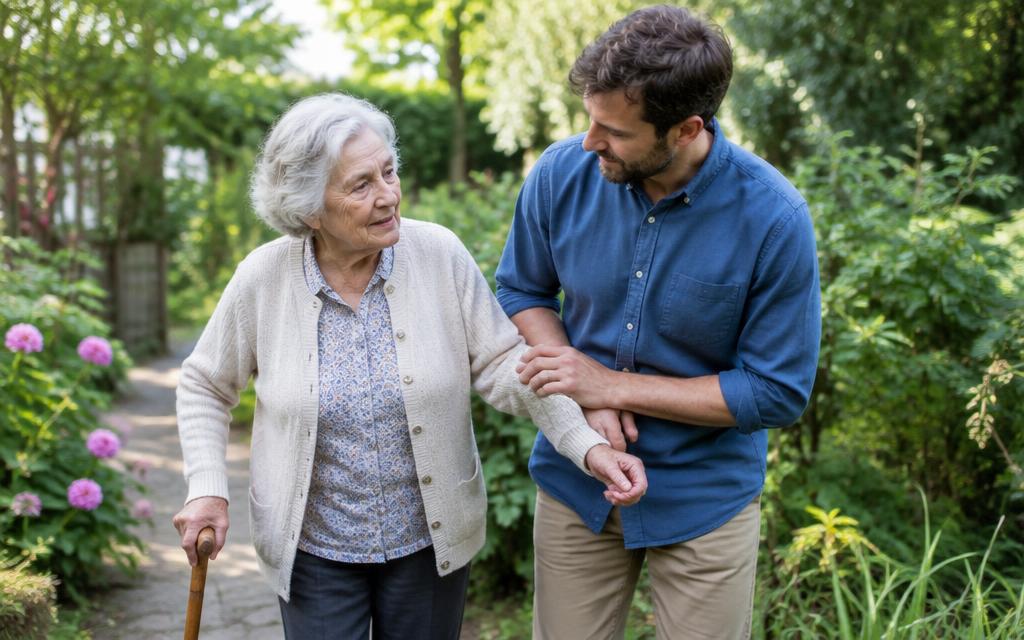
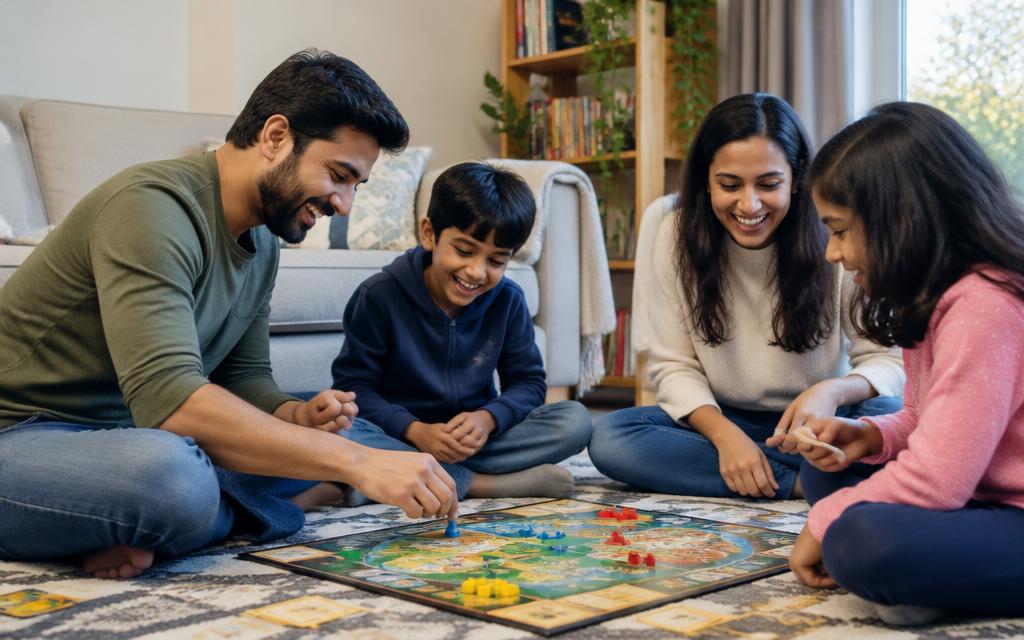
Some relatives love long conversations. Others connect through tasks, games, or sitting together without much talking. Offer different ways to participate. A teenager who dislikes a formal family discussion might enjoy cooking alongside an adult. A grandparent with limited mobility may prefer a short visit at home to a noisy restaurant. Ask rather than deciding that one type of activity is the only meaningful form of togetherness.
If your household includes stepfamily relationships, the ideas in tips for blended families can help you allow different bonds to develop at different speeds. Do not force affection, titles, or physical contact. People can be expected to behave respectfully without being expected to feel instant closeness. Belonging tends to grow more naturally when the invitation is steady and the pressure to perform a particular emotion is low.
Handle traditions without making them a loyalty test
Traditions can carry comfort, grief, identity, and memories. That is why changing them may feel more emotional than the practical details suggest. Ask what a tradition means before deciding how to adapt it. Perhaps the important part of a holiday is sharing a meal, not using the same date or location. Perhaps a recipe matters because it remembers someone who died. Naming the meaning can open up more workable choices.
Keep new partners and different backgrounds in view. Getting along with in-laws often involves creating room for more than one family's customs without making every decision a contest. You may alternate, combine, simplify, or create something new. Not everyone will prefer the final plan. A fair process gives people a voice without promising that each person can have every tradition exactly as it used to be.
Build a realistic plan for the next month
Choose one connection habit, one task to share more fairly, and one boundary to respect. Make the plan small enough that nobody has to recover from it afterward. You could call a relative during a regular walk, rotate meal planning, or stop discussing a topic someone has asked to keep private. Review whether the changes made contact easier rather than counting only how many hours everyone spent together.
Stronger family bonds do not mean constant harmony or unlimited closeness with every relative. They mean more chances to be known, supported, and treated with dignity. Where there is repeated cruelty, coercion, or danger, distance and outside support may be healthier than another gathering. Put your effort where care can move in both directions. A family connection becomes more meaningful when participation is freely chosen and people can bring their real selves into it.